Harrisburg's Once "Lunatic Hospital"
The Beginnings of the Pennsylvania State Lunatic Hospital
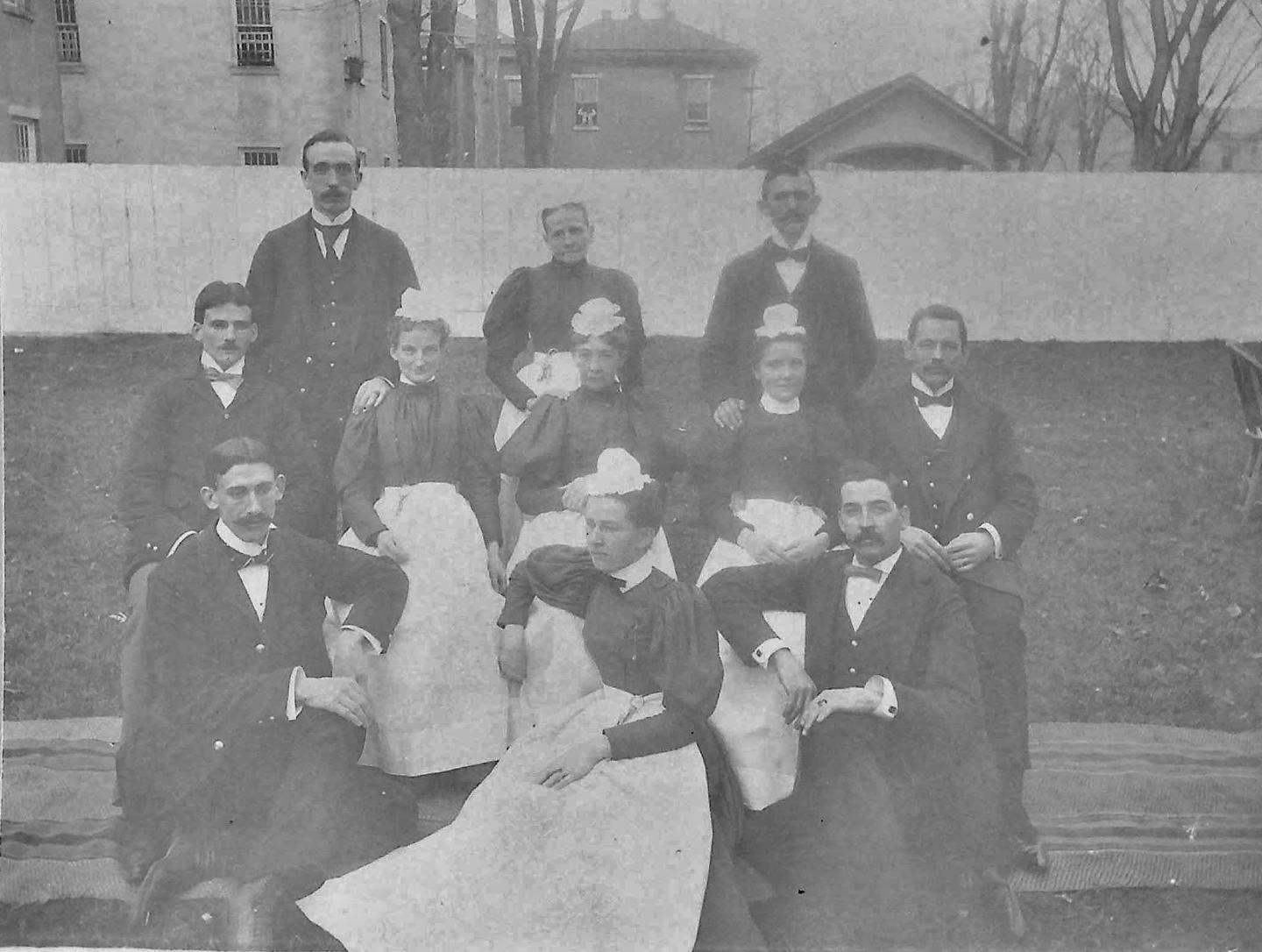
As the Pennsylvania State Lunatic Asylum developed out of emerging ideas of moral treatment in the mid-nineteenth century, it welcomed mentally ill patients and sought to create a home for Harrisburg's "insane poor."
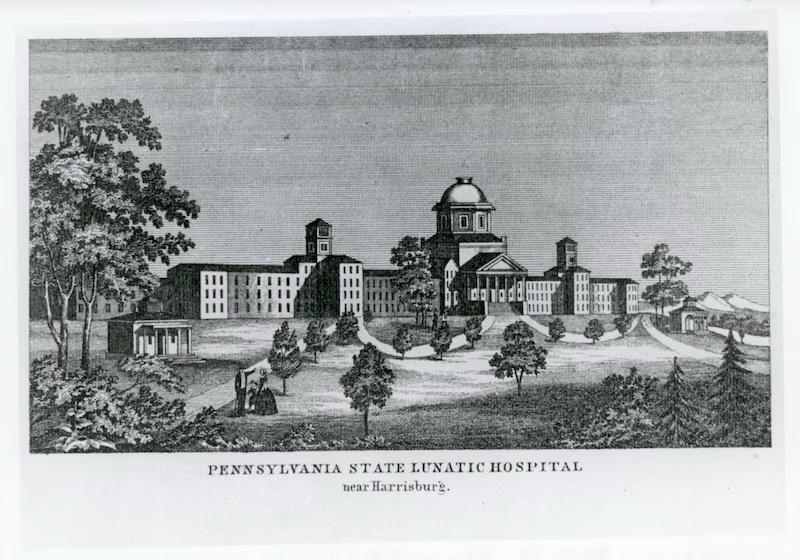
In 1851, the Pennsylvania State Lunatic Asylum emerged as the region’s first mental health institution, embodying a "moral treatment" approach to mental health care. Moral treatment challenged negative views of mental illness as unrepairable and evil and instead encouraged compassionate approaches that transformed treatment. Throughout the late nineteenth century, the hospital’s design and care were organized according to ideas of moral treatment, seeking ways to improve the mental condition of the ill.
On February 3, 1845, Dorothea Dix’s “Memorial” was read to the Pennsylvania State Legislature. Dix argued against the inhumane practice of confining mentally ill patients in poorhouses and jails, advocating for a mental hospital to intentionally care for them. Through her advocacy, the foundations for the Pennsylvania State Lunatic Asylum were established. By 1849, Governor Johnston declared that "a home" was "being made for the insane poor” at the institute’s cornerstone. In 1851, the hospital was built and opened for patients.
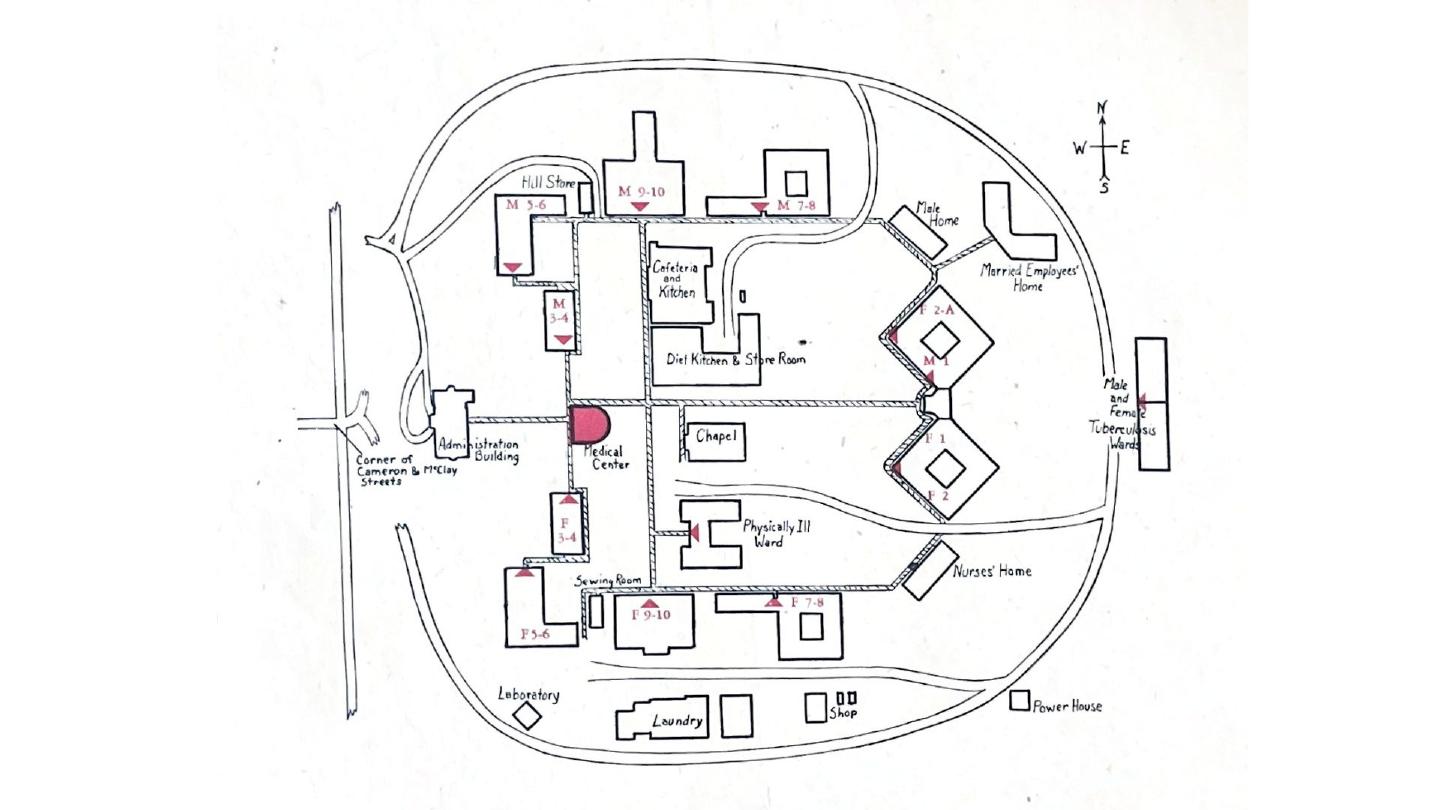
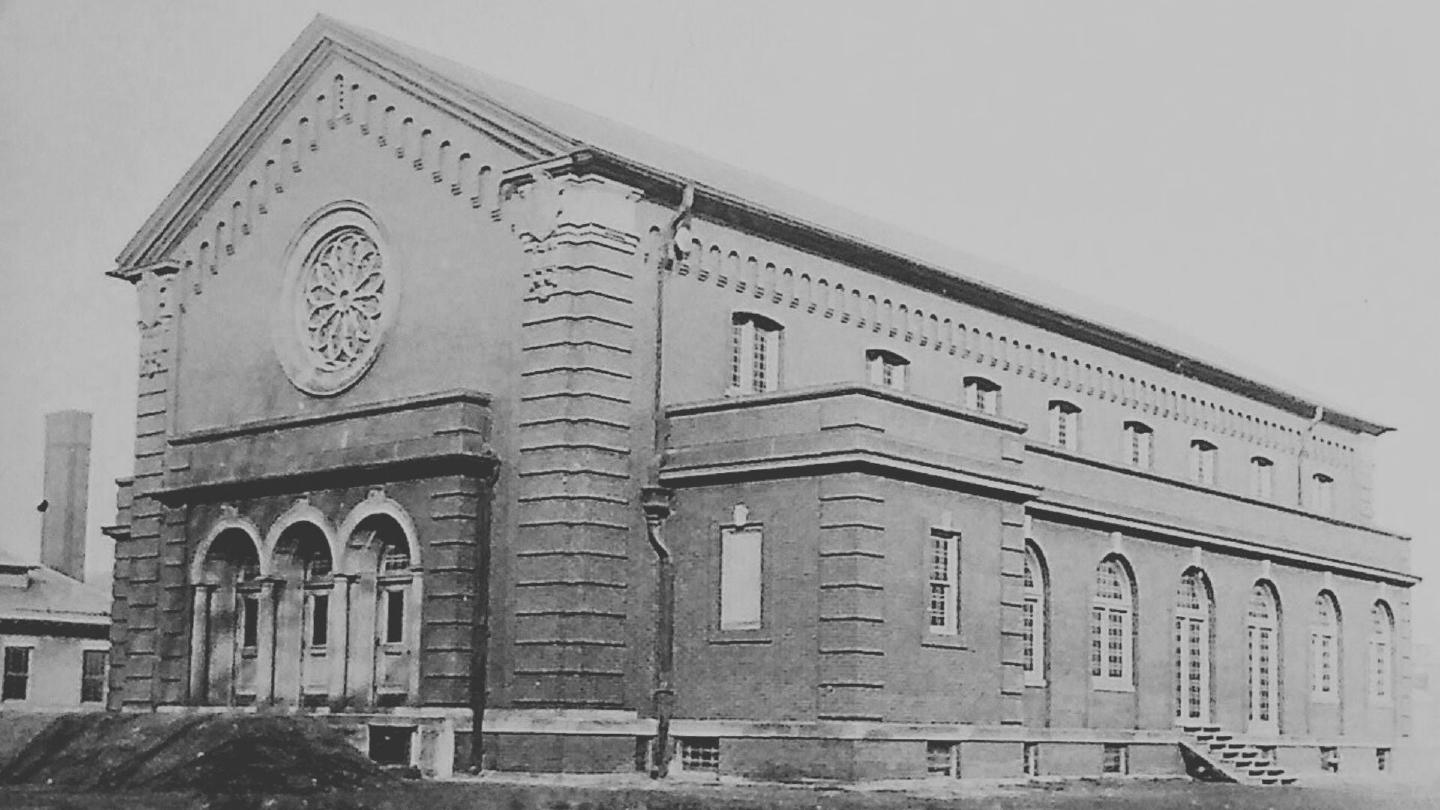
The Main Building of the hospital was designed to maximize sunlight and fresh air for patients, with separate wings for male and female patients. In 1888, the North and South Branches were built to house patients when the Main Building grew overcrowded. Male patients were housed in the North Branch (Male nine and ten), while female patients stayed in the South Branch (Female nine and ten). The Administration Building opened in 1895 after demolishing the Main Building, and by 1913, the hospital included a chapel building that hosted weekly Sunday services and frequent prayer meetings. The chapel highlighted the role of faith in moral treatment and patient care in the institution, demonstrating its commitment to improving patient experiences and shaping their “moral faculties.”
Patients from various backgrounds filled the hospital, including blacksmiths, carpenters, lawyers, and teachers. A register of female patients from 1852 to 1884 records their admission into the hospital, their illnesses, and their health status, revealing various ailments such as grief, anxiety, trouble, disappointment, exertion, and poverty.
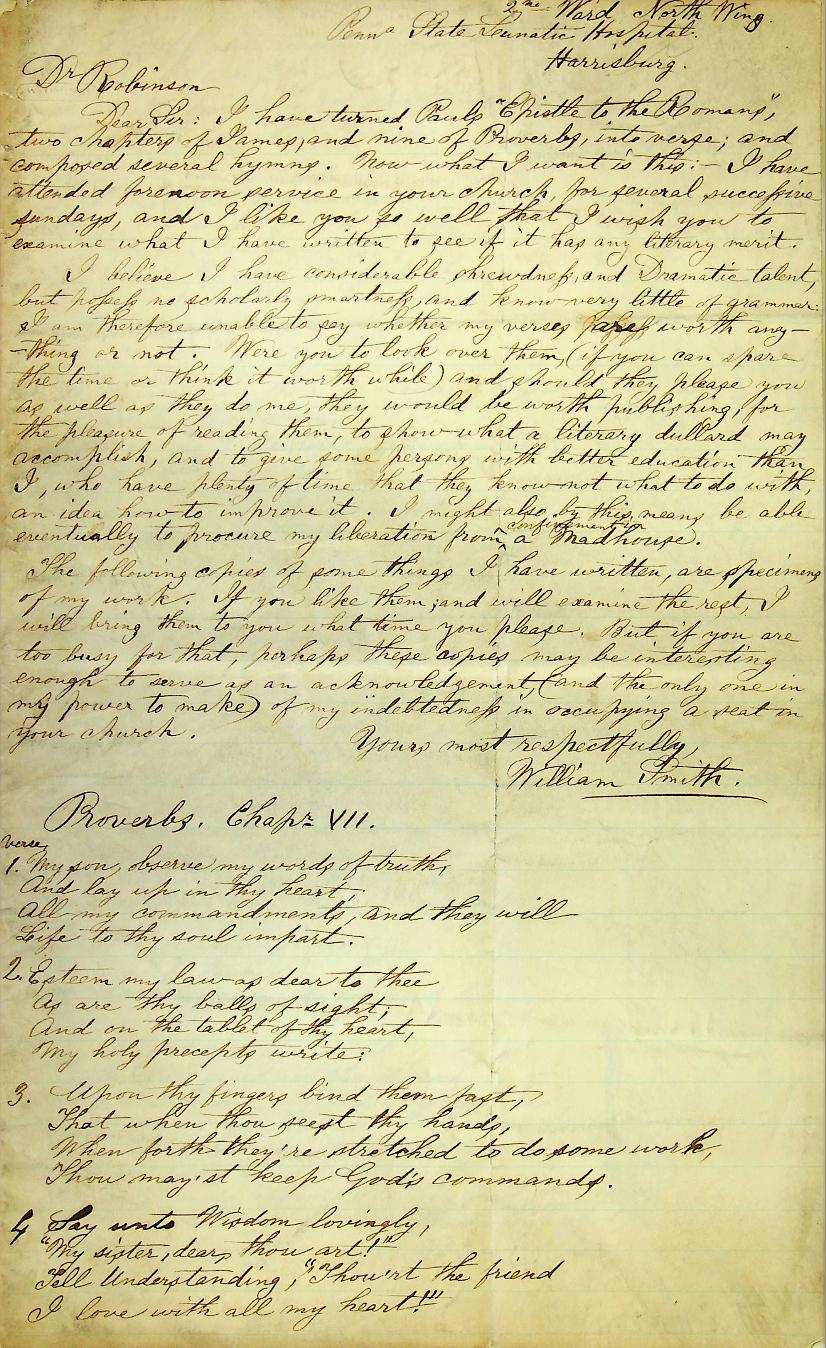
Two male patients, William Smith (undated) and Sigmund Purist (1865), provide glimpses into their experiences at the hospital. William Smith penned his letter to a minister, Dr. Robinson, expressing his joy in hearing his sermon and submitting his pieces of scriptural reflection to see if they had any “literary merit.” On the other hand, Purist’s letter in 1865 grimly expresses his objection to being wrongfully confined in the asylum and petitions for discharge from the hospital. He argued that he was confined through “heinous false preference” and instead wished to enjoy the free condition that “millions the majority enjoy.” While Purist’s letter provides insight into patients' experiences at the hospital, it may not reflect all of their stories. Comparatively, William Smith expressed no negative emotion and instead shared his delight over the minister’s sermon, insisting that he should read his reflections and consider publishing them.
The hospital’s development and founding principles of “moral treatment” shaped its growth, intentionality, and approach to patient care. In 1921, the Pennsylvania State Lunatic Hospital was renamed “Harrisburg State Hospital.” It had successfully created a home for the mentally ill.
A full list of resources used in this story can be found here.Audio
Images