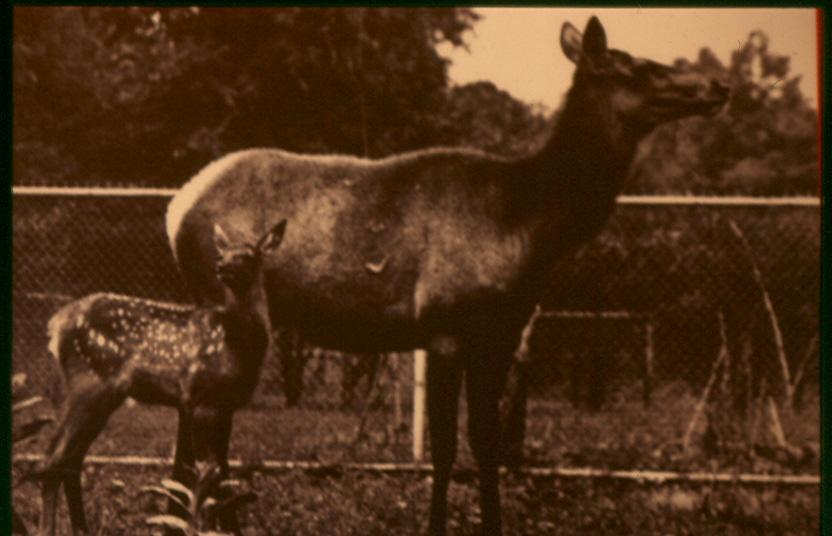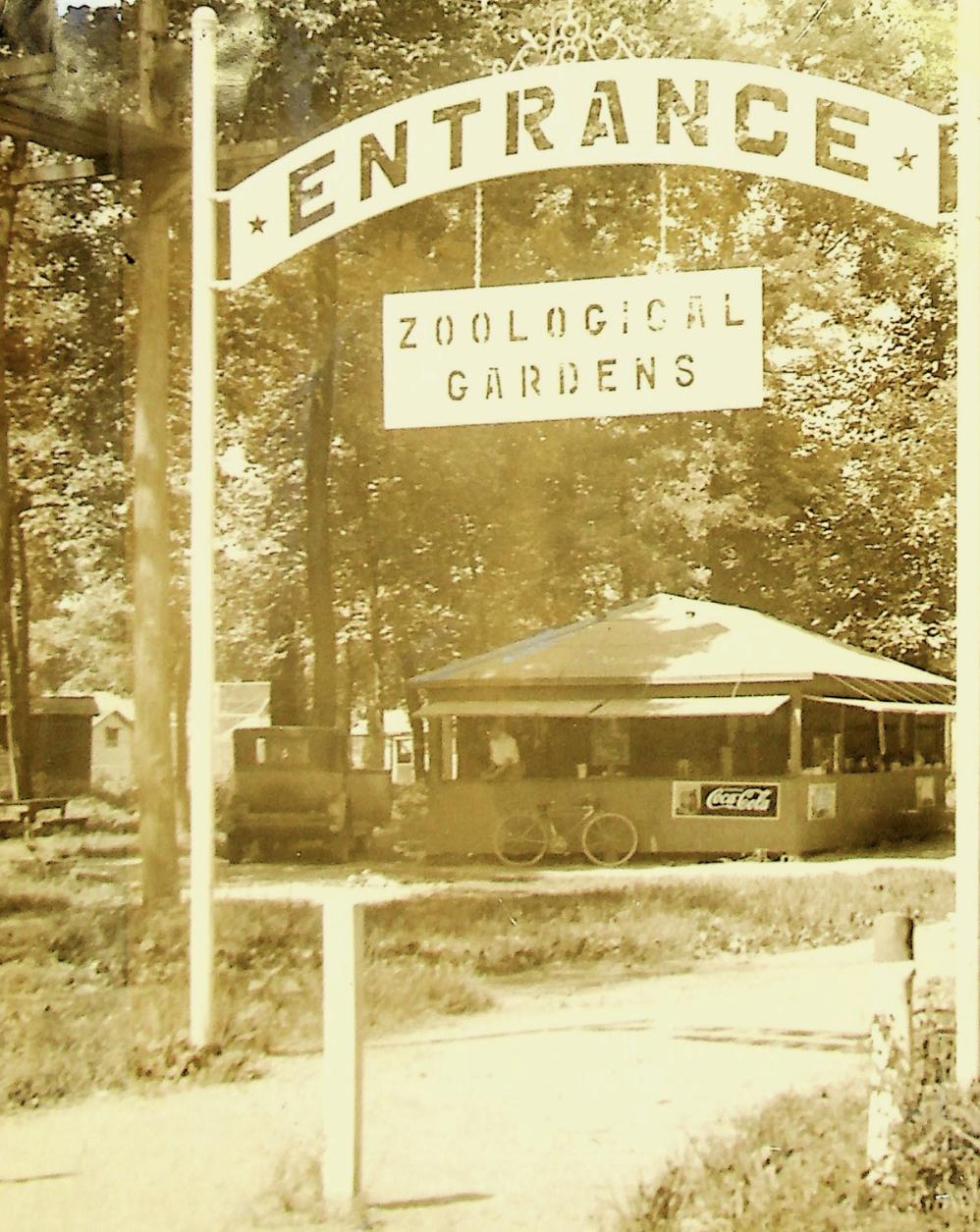
Harrisburg's Wildwood Park was formerly home to the Wildwood Zoological Park, a recreational space that housed a relatively large collection of wild animals. During the 1940s, the zoo disappeared, with only a few traces of it left today.
In the early twentieth century, greater amounts of leisure time encouraged Americans to pursue new recreational activities. One such activity was visiting zoos. Many cities prided themselves on having impressive animal collections for the public to view. Harrisburg was no different, and in the late 1920s plans for a zoo were underway in an unlikely location—a swamp.
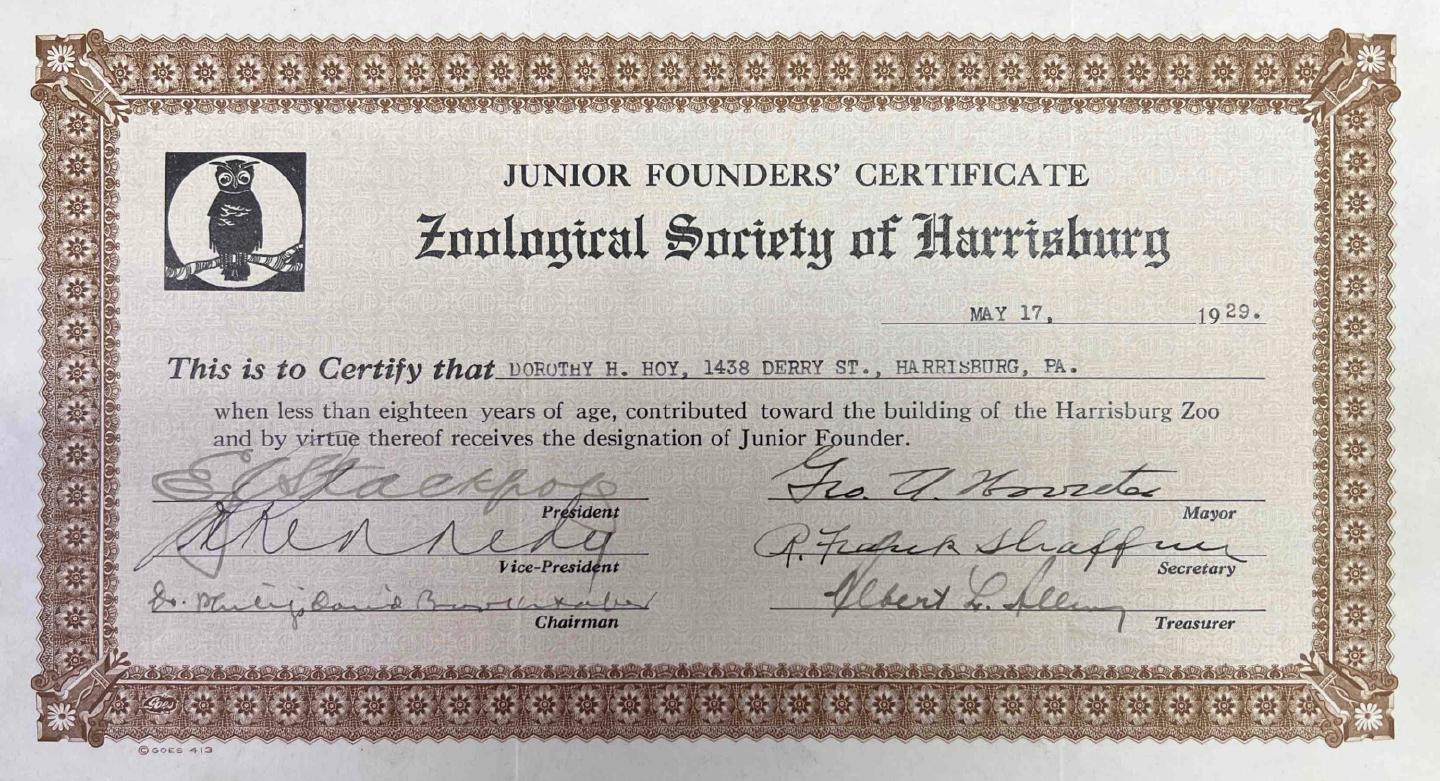
Before the new zoo, the area formerly known as Wetzel’s Swamp was home to Harrisburg’s Wildwood Park. This was a recreational space where residents could host picnics, attend camps, and enjoy boating. Service clubs first proposed the zoo at a joint meeting. There, community leaders wondered whether Harrisburg residents, especially the children, would patronize a zoo. This concern proved unfounded almost immediately. Children eagerly donated their pocket money to the establishment of the zoo, being awarded with “Junior Founder’s Certificates.”
Before construction on Wildwood Zoo began, Park Superintendent Herman A. Earley and Assistant Superintendent V. Grant Forrer visited the Washington and Philadelphia Zoos to gather ideas for Wildwood Zoo, whose construction was scheduled to begin in July 1928. Carving out a 10-acre, rectangular plot in Wildwood Park, the zoo would house numerous paddocks, cages, and shelters accessible by a roadway. In addition, plans were made to construct a Keeper Lodge, a house at the zoo where the zookeeper could see all the animals and birds from his home. Although the zoo was supposed to open during Labor Day weekend, it officially opened on June 7, 1929. The delays in opening only seemed to heighten excitement, and the local media continued to cover its development with considerable fanfare.
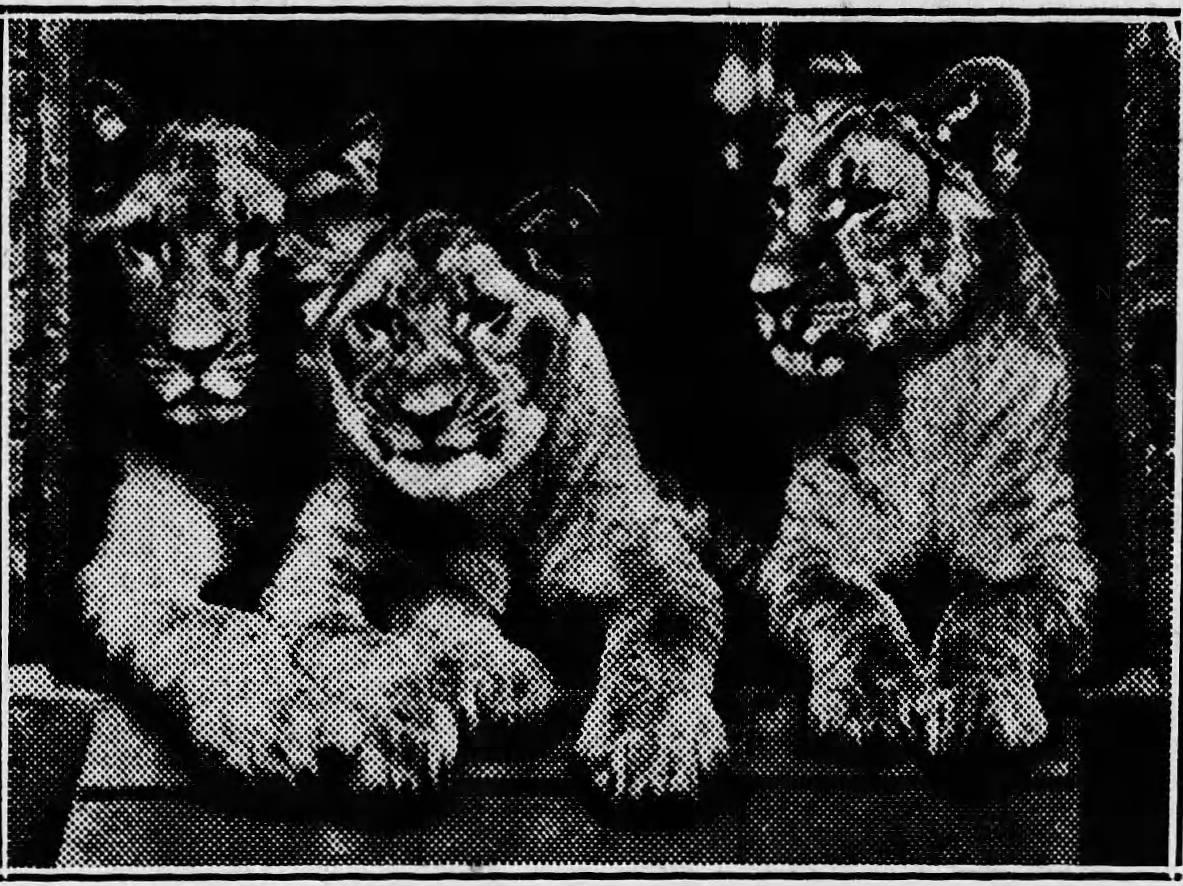
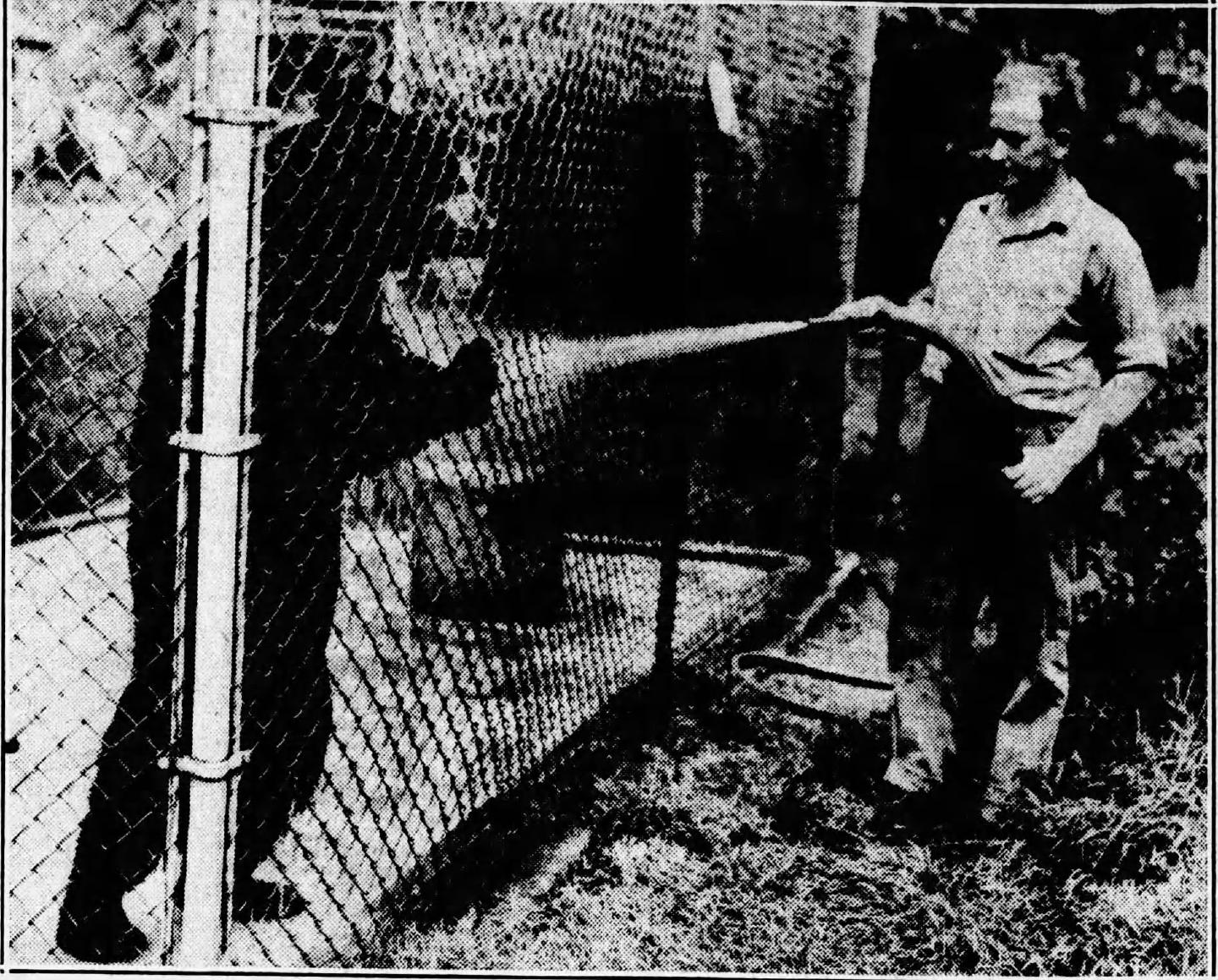
The stars of the new Wildwood Zoological Park were the animals themselves. Over the years, the zoo housed numerous species, from local wildlife such as deer and bears to exotic animals like lions and monkeys. Local newspapers frequently featured articles about baby animal births, additions to the collection, and even April Fool's Day pranks featuring the animals. Animals had various amenities, including a bear bathtub that earned an article in the May 24, 1929, edition of The Patriot. While zoos have sometimes had a negative reputation for not treating their animals well, Harrisburg’s residents apparently valued animal welfare. One newspaper story notified residents that the animals “Think the Zoo is More Than All Right,” and were enjoying proper meals delivered on tight schedules.
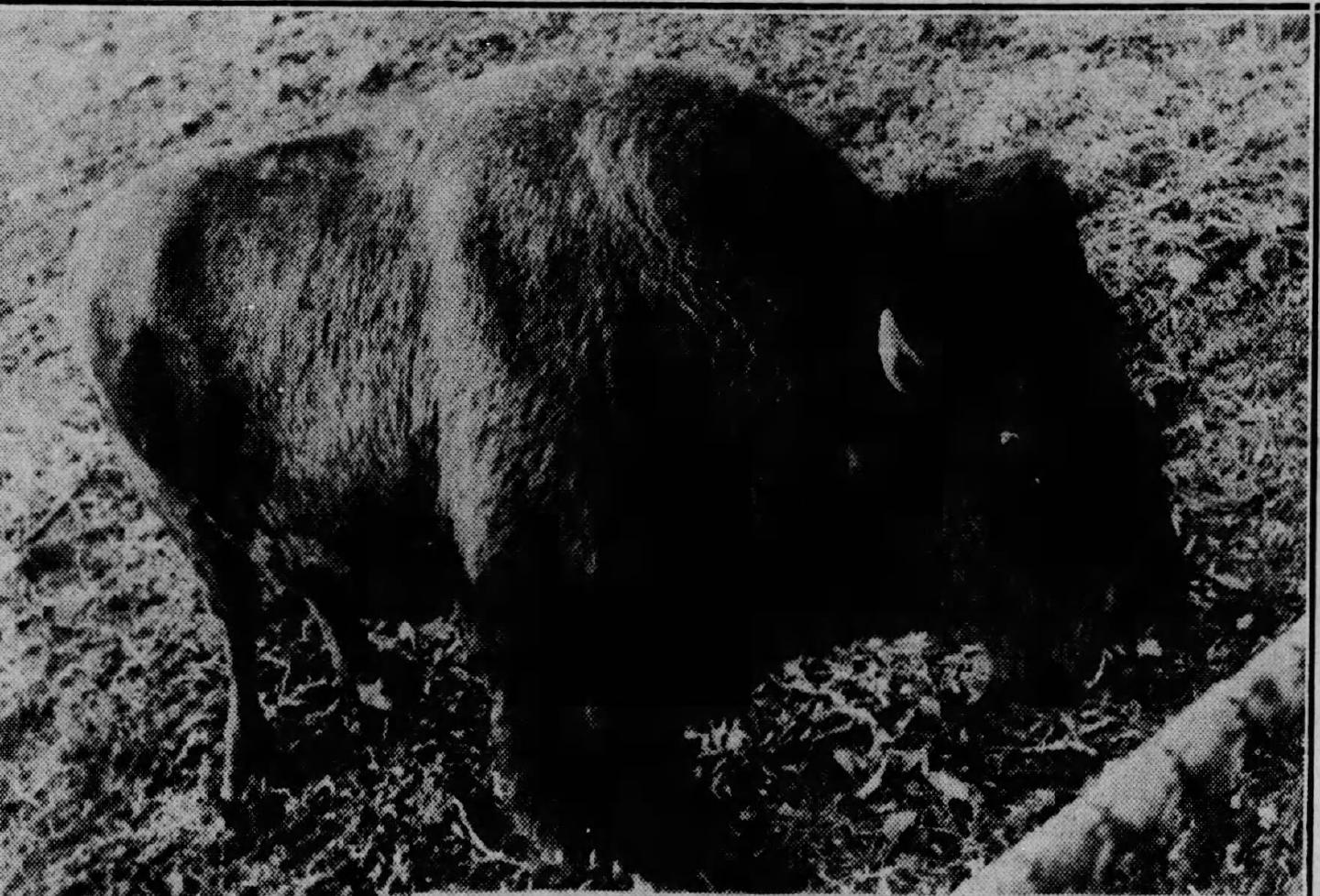
The growing zoo moved to add more species. In 1930, a lynx and an ant bear (now more commonly known as an aardvark) appeared, as well as multiple American bison. Two particular bison, Napoleon and Nancy, were featured in an “interview” in the Harrisburg Telegraph, in which they allegedly claimed that their ancestors were hunted by Buffalo Bill and Kit Carson, and that they “like it here” at the zoo. Elk, groundhogs, white ferrets, and more were added until the Wildwood Zoo collection was teeming with creatures great and small. Local newspapers covered the animals extensively, from the birth of a doe named Fannie Fawn to an elk struggling with indigestion.
Nevertheless, even caring zookeepers could not keep the animals safe during trouble. Shortly after opening, three unlicensed dogs reportedly scared white-tailed deer so severely that one deer died after crashing into a fence during a panic attack. A campaign to track down the offending dogs resulted in orders to kill them. Love for the zoo animals led to hatred for stray dogs and cats, and game wardens went on a warpath to dispatch any stray pet that might have scared or killed zoo animals. Not long after the crusade against stray animals, owls and hawks began fighting each other within their enclosures, resulting in the death of one Great Horned Owl. In 1932, two local boys were charged with shooting the zoo’s rabbits, and indigestion proved fatal to a resident male bison.
In early 1934, disaster struck when a fire broke out, causing significant damage to the zoo. The emotional distress shook the animals. News articles repeatedly noted the distressing noise of frightened animals, especially the nearby coyotes, crying out in fear while firefighters worked. Thankfully, insurance covered much of the damage. The damages cost about $1,500 in city funds, about $28,724 today. The fortunate aspect of the zoo fire was that no animals died. But the troubles at Wildwood Zoo were far from over.
The Great Depression and World War II made operating the zoo financially difficult. Lions, wolves, and other species that required intensely meat-heavy diets suffered greatly as the cost of meat soared during the Depression. When the US entered World War II in 1941, meat rationing made it even more difficult for the zookeepers to feed their charges. In the event of an air raid on Harrisburg, officials planned to kill some of the more dangerous species to prevent their escape.
Ultimately, facing high operating costs, the city decided to close the zoo. On December 18, 1945, City Councilman and Park Director Robert C. Leitner announced that Wildwood Zoo would close, effective immediately. Estimating that the zoo's closure would save the city at least $6,500 in 1946, Leitner outlined what would happen to the animals. Dangerous animals and reptiles would be killed, while harmless wildlife would be released. Bears and bison would be "cut up into steaks and roasts" and given to local institutions, and the monkeys were to be donated to a medical institution in Philadelphia for experimentation. Leitner quickly received requests for various animals, including raccoons, from people who wanted them as pets.
After the zoo closed, the discussion centered on what to do with the land. Empty animal runs were briefly dog shelter pens, and ideas of turning the land into veteran housing were also considered. Nowadays, the Wildwood land is home to a nature center and preserve. Wildlife roam freely through the park, benefiting from the safe habitat and abundant food away from the urban center. The exotic animals may have passed, but populations of native Pennsylvania species are thriving. Some of the animals of the Wildwood Zoological Park may have died at the hands of those who loved them most, but their importance should not be understated. It was unquestionably an influential yet fleeting moment in local history.
A full list of resources used in this story can be found here.
Special thanks to the Oweline Nature Center and Dauphin County Parks and Recreation for generously providing access to their archived collections.
Audio
Images